<h1>North Facing Gardens: Tips for a Thriving Garden</h1>

<h2>North Facing Gardens</h2>

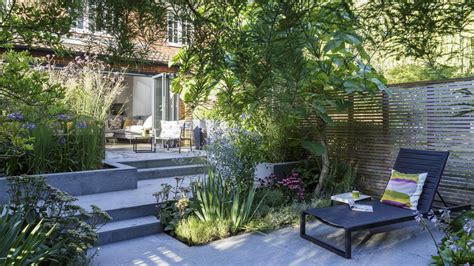
<p>Have you ever heard of "north facing gardens?" This refers to gardens that receive little direct sunlight, often due to being shaded by buildings or trees. While this may seem like a disadvantage, there are actually plenty of plants that thrive in these conditions. In fact, many gardeners find north facing gardens to be more manageable than those that are exposed to full sun all day long. In this blog post, we’ll explore the advantages and challenges of north facing gardens, and offer tips on how to create a beautiful and thriving garden in these conditions.</p>

<h2>The Advantages of North Facing Gardens</h2>

<h3>Less Sun Exposure</h3>

<p>One of the biggest advantages of having a north facing garden is that you don’t have to worry as much about sun exposure. Plants that require partial shade or full shade will do well in these conditions. This means that you can plant a wider variety of plants without worrying about them getting scorched by the sun.</p>

<h3>Cooler Temperatures</h3>

<p>Another advantage of north facing gardens is that they tend to be cooler than south facing gardens. This makes them ideal for growing plants that prefer cooler temperatures, such as ferns, hostas, and mosses.</p>

<h3>Less Watering Needed</h3>

<p>Since north facing gardens receive less direct sunlight, they tend to retain moisture better than south facing gardens. This means that you don’t have to water your plants as often, which can save time and money in the long run.</p>

<h2>The Challenges of North Facing Gardens</h2>

<h3>Less Sunlight</h3>

<p>The biggest challenge of north facing gardens is the lack of direct sunlight. Without enough sun, plants may not grow as quickly or produce as many flowers or fruits as they would in full sun. This means that you’ll need to be more strategic about what you plant and where you plant it.</p>

<h3>Poor Drainage</h3>

<p>Another challenge of north facing gardens is that they tend to have poor drainage. Since water doesn’t evaporate as quickly in shaded areas, it can lead to waterlogged soils that are prone to root rot and other diseases. To combat this, it’s important to choose plants that can tolerate wet conditions and to amend the soil with organic matter.</p>

<h3>Less Winter Sunlight</h3>

<p>In addition to receiving less sunlight overall, north facing gardens also receive less winter sunlight. This means that they may be more prone to frost damage and may require additional protection during the winter months.</p>

<h2>Tips for Creating a Thriving North Facing Garden</h2>

<h3>Choose the Right Plants</h3>

<p>When selecting plants for your north facing garden, it’s important to choose varieties that thrive in low light conditions. Some great options include hostas, ferns, heucheras, astilbes, and hydrangeas. Be sure to read the plant tags carefully and select varieties that are labeled as shade-loving or partial shade-loving.</p>

<h3>Consider Companion Planting</h3>

<p>Companion planting involves planting different types of plants together in order to create a mutually beneficial environment. In a north facing garden, you might consider planting shade-loving plants with those that prefer partial sun, in order to create a more diverse and interesting garden.</p>

<h3>Amend Your Soil</h3>

<p>Improving the quality of your soil is key to creating a thriving north facing garden.  by amending your soil with organic matter such as compost or well-rotted manure, which will help improve drainage and add nutrients to the soil.</p>

<h3>Add Some Color</h3>

<p>Just because your garden is in the shade doesn’t mean it has to be dull! Consider adding some brightly colored blooms or foliage to bring some life to your garden. Some colorful options for shade include impatiens, begonias, coleus, and bleeding hearts.</p>

<h3>Create a Focal Point</h3>

<p>Whether it’s a sculpture, a water feature, or a particularly beautiful plant, creating a focal point in your north facing garden can help draw the eye and make the space feel more inviting. Choose something that stands out against the backdrop of greenery.</p>

<h3>Make Use of Containers</h3>

<p>If your north facing garden is particularly shaded, consider using containers to grow plants that require more sun. This allows you to move them around to find the best spot for sunlight, while keeping them close to your other shade-loving plants.</p>

<h3>Use Mulch</h3>

<p>Mulch is a great way to retain moisture in your soil and keep weeds at bay. In a north facing garden, mulch can also help regulate soil temperature and protect your plants from frost damage during the winter months.</p>

<h3>Prune Your Trees</h3>

<p>If your north facing garden is shaded by trees, consider pruning them to allow more sunlight to reach your plants. This will not only benefit your garden, but can also help keep your trees healthy and looking their best.</p>

<h3>Consider Artificial Light</h3>

<p>If you’re really struggling to get enough sunlight in your north facing garden, consider using artificial light to supplement what you have. LED grow lights are a great option for indoor gardens or for outdoor spaces that receive very little natural light.</p>

<h2>Common Questions About North Facing Gardens</h2>

<h3>1. Can I grow vegetables in a north facing garden?</h3>
<p>Yes, it’s possible to grow vegetables in a north facing garden, but it may be more challenging than in a south facing garden. Choose varieties that can tolerate shade, such as lettuces, spinach, and kale.</p>

<h3>2. Do I need to water my north facing garden more often?</h3>
<p>No, you actually need to water your north facing garden less often than a south facing garden, since the soil tends to retain moisture better. However, be sure to monitor your plants’ water needs and adjust as necessary.</p>

<h3>3. What types of trees are best for shading a north facing garden?</h3>
<p>Trees with broad, spreading canopies are ideal for providing shade in a north facing garden. Some great options include maples, oaks, and beeches.</p>

<h3>4. Is it possible to create a low-maintenance north facing garden?</h3>
<p>Yes, it’s definitely possible to create a low-maintenance north facing garden. Choose plants that require minimal care and maintenance, such as ferns, hostas, and heucheras. Consider adding automatic irrigation systems to make watering easier.</p>

<h3>5. Can I grow fruit trees in a north facing garden?</h3>
<p>Fruit trees typically require full sun in order to produce fruit, so it may be challenging to grow them in a north facing garden. However, you may be able to grow certain varieties that are more tolerant of shade, such as figs or persimmons.</p>

<h2></h2>

<p>While north facing gardens can present some challenges, they also offer many advantages and opportunities for creativity. By choosing the right plants, amending your soil, and getting creative with design and lighting, you can create a beautiful and thriving garden that will bring joy for years to come.</p>
Post a Comment for "North Facing Gardens: Tips for a Thriving Garden"